Interior Selective Demolition in New York, NY
Interior selective demolition in New York City stands for a thoughtful approach to city improvement. This method focuses on the conservation of initial building components while permitting contemporary updates. With a concentrate on sustainability, it decreases waste and promotes recycling. Initiating such a job needs cautious preparation and factor to consider. What are the key factors that must be resolved to guarantee a successful result?
Comprehending Selective Demolition
While several may link demolition with complete destruction, selective demolition focuses on the cautious elimination of specific building components to assist in restoration or repurposing. This approach allows for the preservation of valuable attributes, such as historical artifacts or structural parts, which can be indispensable to a building's stability and personality. Selective demolition entails a systematic technique, frequently starting with thorough evaluations to identify which aspects can be restored and which require to be eliminated.

Benefits of Interior Selective Demolition
Interior selective demolition supplies significant advantages, largely through environmentally friendly waste monitoring and economical improvement options. By concentrating on specific areas for demolition, this technique lowers landfill waste and promotes the recycling of products. Furthermore, it enables property proprietors to accomplish their remodelling objectives without sustaining excessive costs.
Eco-friendly Waste Management
Eco-friendly waste management is a considerable benefit of interior selective demolition, as this approach enables the careful elimination and recycling of products. Unlike conventional demolition, which often leads to excessive waste in landfills, selective demolition concentrates on salvaging reusable elements, such as fixtures, flooring, and architectural parts. This strategy not just minimizes environmental influence yet also saves all-natural sources. By prioritizing recycling and repurposing, interior selective demolition supports sustainability campaigns and encourages responsible garbage disposal techniques. Furthermore, it lessens the carbon footprint linked with new product manufacturing and transport. Because of this, services and home owners can add to a greener future while embarking on renovation projects, making eco-friendly waste management a compelling factor to select this approach.
Economical Remodelling Options
By choosing for selective demolition, home proprietors can access a variety of affordable renovation options that are typically forgotten in standard strategies. This approach permits targeted elimination of particular elements, protecting beneficial structures and lowering unneeded costs. By recovering materials such as fixtures, flooring, and cabinetry, homeowner can especially reduce renovation prices while promoting sustainability. Additionally, selective demolition reduces waste, leading to financial savings on disposal charges and associated labor costs - local demolition contractor new york. The strategy also allows quicker job timelines, as it concentrates on essential locations as opposed to whole rooms. Ultimately, this method aids homeowner accomplish their renovation objectives while maximizing budget plan efficiency and reducing disruption, making it a wise choice for any type of remodelling job in New York
Secret Factors To Consider Prior To Beginning a Project
What variables should be considered before starting on an interior selective demolition project in New York? It is important to assess the structural honesty of the structure. Recognizing which wall surfaces or components can be removed without endangering security is critical. In addition, one have to take into consideration the local guidelines and permits needed for demolition work, as New York has rigorous guidelines to guarantee security and conformity.
One more important aspect is the assessment of dangerous products, such as asbestos or lead paint, which might call for specific handling and disposal. Budget plan restrictions play a significant function as well, influencing both the scope of the project and the selection of specialists. Finally, the timeline should be established, factoring in potential disruptions to adjacent areas and the overall project duration. By resolving these considerations, task stakeholders can minimize risks and assure a smoother demolition process.
The Process of Selective Demolition
The procedure of selective demolition begins with comprehensive planning and assessment to identify which structures and materials call for elimination. This phase is vital for guaranteeing safety and security and efficiency throughout the task - legendary demolition new york contractor. Complying with the assessment, risk-free removal methods are utilized to reduce interruption and safeguard the surrounding environment
Planning and Evaluation
Effective planning and analysis are vital actions in the procedure of selective demolition, especially in a complex city atmosphere fresh York. A detailed analysis of the website is required to identify architectural components, harmful products, and historic value. This evaluation educates the range of job, seeing to it that just targeted areas are demolished while protecting the honesty of nearby structures. Cooperation with designers, engineers, and regulative bodies is vital to create an all-encompassing plan that complies with safety standards and local policies. In addition, budget plans and timelines must be diligently described to minimize interruptions and assurance reliable implementation. By focusing on in-depth preparation and analysis, task stakeholders can properly navigate the obstacles of selective demolition in a largely populated city.
Safe Removal Strategies
Utilizing safe removal techniques is essential for effective selective demolition, particularly in metropolitan environments fresh York. These methods include cautious planning and making use of proper tools and tools to lessen dangers. Workers usually utilize approaches such as hand demolition, where manual devices are made use of to dismantle structures gradually, guaranteeing that surrounding areas remain undisturbed. In addition, the application of safety barriers and dust control measures is important to safeguard both employees and nearby homeowners. Correct garbage disposal and recycling methods are also stressed to minimize environmental influence. Training and adherence to safety procedures additionally boost the efficiency of these techniques, making certain that selective demolition tasks are conducted effectively and without event.
Safety Actions in Selective Demolition
Safety and security in selective demolition is important, ensuring the protection of workers, onlookers, and the surrounding environment. Effective precaution start with extensive danger evaluations, identifying prospective dangers such as architectural instability, hazardous materials, and noise. Workers should be effectively educated in safety and security procedures and equipped with individual safety gear, consisting of helmets, gloves, and respiratory system defense.
The application of website obstacles can help limit unapproved access, protecting onlookers from possible risks. Furthermore, proper waste disposal procedures are imperative to stop environmental contamination. Normal safety audits and assessments should be performed to ensure compliance with safety and security regulations and recognize any kind of required renovations.
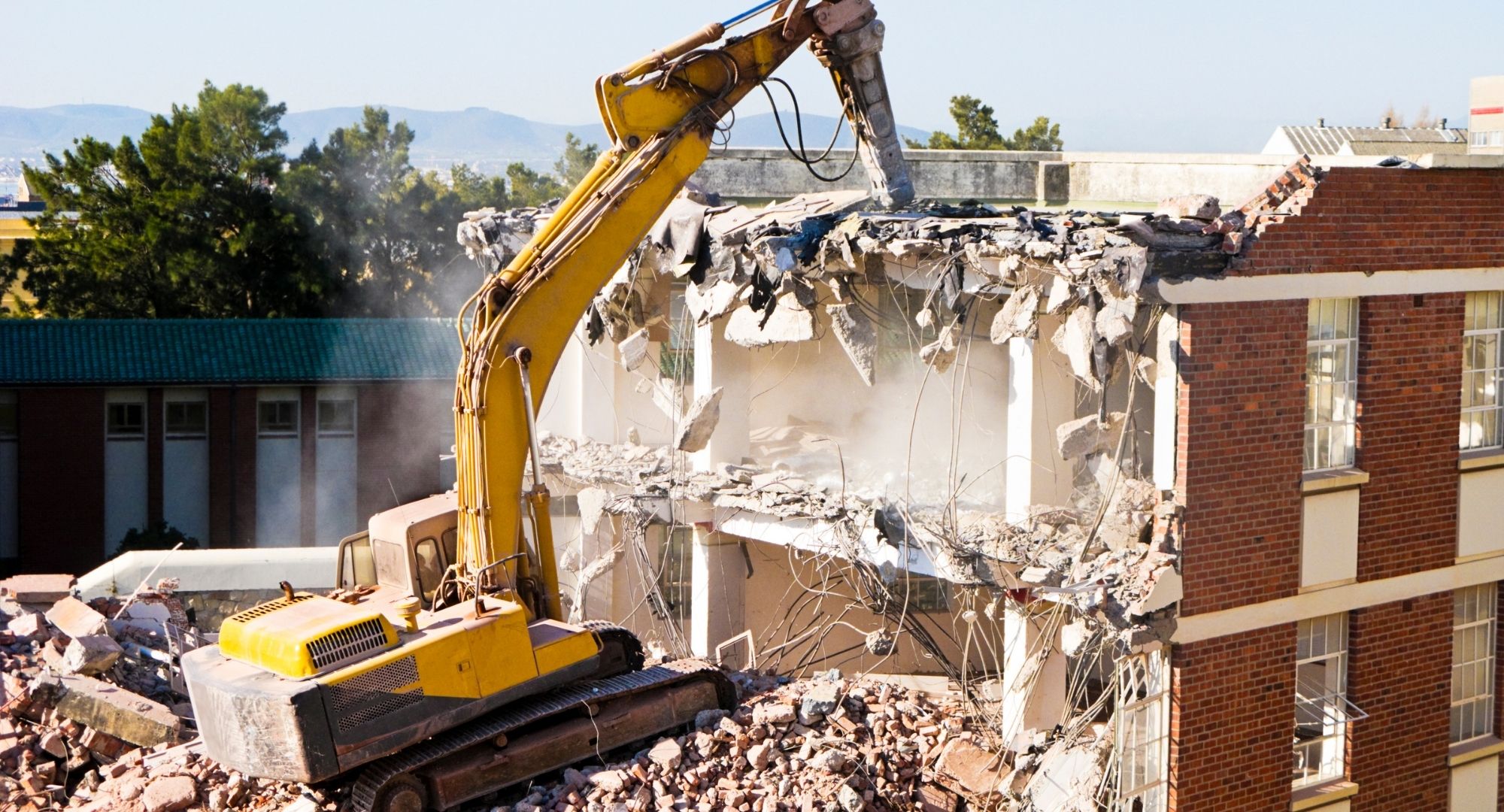
Instance Studies: Effective Selective Demolition Jobs in New York City
Selective demolition in demolition contractor new york New York City has achieved noteworthy success through various cutting-edge projects that highlight the relevance of cautious preparation and execution. One such project entailed the improvement of a historic building in the Bowery, where interior wall surfaces were selectively gotten rid of to create open spaces while maintaining original building components - legendary demolition new york near me. This strategy not just preserved the structure's historic integrity however likewise updated its performance
Another study included the conversion of an old storage facility in Brooklyn into high-end homes. Selective demolition enabled the elimination of non-structural components, optimizing natural light and enhancing living rooms. The project exhibited just how thoughtful demolition techniques can lead to sustainable redevelopment.
A Downtown workplace remodelling showcased the effective use of selective demolition to update obsolete centers while decreasing waste. These examples demonstrate that tactical planning and implementation in selective demolition can yield successful outcomes, enhancing both looks and functionality in city environments.
Often Asked Questions
How Much Does Interior Selective Demolition Typically Price in NYC?
Normally, indoor selective demolition expenses range from $3 to $10 per square foot, depending on aspects like task size, intricacy, and products involved. Variants might take place based on professional experience and regional market problems.

What Allows Are Required for Selective Demolition in New York?
Licenses for selective demolition normally include a demolition license, ecological analysis approvals, and feasible notice to bordering residential properties. Specific demands may differ based on the structure's age, area, and regional policies controling construction tasks.
How much time Does a Selective Demolition Task Typically Take?
A careful demolition job generally takes one to three weeks, depending on the project's dimension and intricacy. Aspects such as site problems, called for licenses, and sychronisation with other professionals can affect the timeline considerably.
Can I Stay In My Home Throughout Selective Demolition?
Residing in a home throughout selective demolition can be possible, depending upon the level of the work and security precautions. Residents need to anticipate noise, dust, and prospective interruptions, demanding mindful factor to consider and preparation.
What Happens to the Particles After Selective Demolition Is Completed?
After selective demolition is finished, the debris is normally sorted for recycling and disposal. Salvageable materials may be reused, while non-recyclable waste is moved to landfills, ensuring responsible administration of construction waste.
While numerous may associate demolition with complete damage, selective demolition concentrates on the mindful elimination of specific building components to facilitate remodelling or repurposing. Unlike conventional demolition, which commonly leads to extreme waste in landfills, selective demolition focuses on recovering multiple-use elements, such as components, flooring, and architectural components. What aspects should be taken right into account before beginning on an indoor selective demolition project in New York? Permits for selective demolition generally include a demolition permit, environmental analysis authorizations, and feasible notice to bordering residential or commercial properties. A selective demolition project generally takes one to 3 weeks, depending on the project's dimension and intricacy.
Comments on “Best Sustainable Practices Used By Professional Demolition Services New York NY”